Source Forged NPT Quick Coupling for Power Plants and Mining
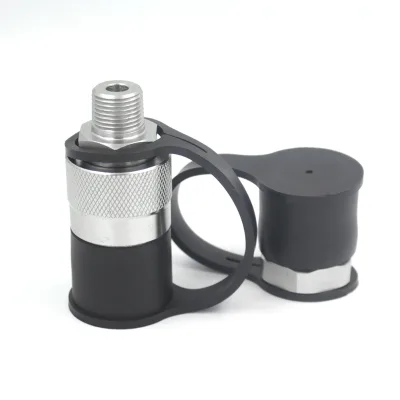
Find and compare 30 Forged NPT Quick Coupling options for power plants, mining transport, and chemical industry applications. These rigid fittings feature female connections and are available in carbon steel or iron with OEM customization support.
Key considerations
Products List




Comprehensive Sourcing Guide
Forged NPT Quick Coupling Sourcing Guide
Procuring forged NPT quick couplings requires a disciplined approach to distinguishing between generic fittings and components engineered for high-pressure hydraulic and industrial fluid systems. The core of this sourcing strategy lies in verifying that the "forged" designation aligns with the actual manufacturing process, as this method significantly enhances the grain structure and tensile strength of the material compared to casting. Buyers must scrutinize product listings to ensure the supplier explicitly states the forging process, as this is a critical differentiator for applications involving power plants, mining transport, and chemical industries where failure is not an option.
The market for these components often presents a mix of standard and customized offerings, necessitating a clear definition of the required specifications before engaging with suppliers. While some listings may offer generic models, the specific needs of hydraulic systems often demand precise thread distributions, head codes, and connection types that are not universally standardized. A robust sourcing plan must account for the variability in product models, such as the HQFF, HQFSF, and HQFSS series, ensuring that the selected coupling matches the exact pressure ratings and dimensional requirements of the existing infrastructure.
Product Scope and Observed Listing Signals
When evaluating product listings, buyers should look for specific signals that confirm the item is a true quick coupling rather than a standard pipe fitting. Key indicators include the explicit mention of "hydraulic quick coupling" in the product name and the presence of specific model numbers like PL/PD/PB/PC or the HQ series. These identifiers often correlate with specialized designs intended for rapid connection and disconnection under pressure, distinguishing them from static fittings used in general piping. The observed price range of 0.2 to 30 USD suggests a wide spectrum of quality and size, requiring careful correlation between cost and the intended application severity.
The physical attributes listed in product descriptions provide essential clues about the component's suitability for specific environments. Listings frequently mention materials such as carbon steel or iron, with surface treatments like oxygenation or smooth finishes that indicate resistance to corrosion and wear. Buyers must verify if the product is described as "rigid" or "flexible," as the majority of high-performance quick couplings are rigid to maintain alignment and seal integrity under vibration. Additionally, the presence of "OEM" support and "customized" options signals that the supplier can adapt the product to unique mounting hole diameters or thread distributions, such as the 0.25-inch specification observed in some listings.
Technical Specifications to Verify
The most critical technical verification involves confirming the thread type and distribution, as NPT (National Pipe Taper) threads have specific taper angles that differ from other standards. Buyers must ensure the listing explicitly states "External Thread" or "Female" connection types that match the mating components in their system. The "Thread Distribution" and "Head Code" details, such as Hexagon or Round, are vital for installation tools and torque specifications, ensuring that the coupling can be securely tightened without stripping the threads or damaging the fitting body.
Material composition and manufacturing process are equally vital to the functional integrity of the coupling. While some listings mention "Cast Iron GG25" or "Iron," the core keyword "forged" implies a different metallurgical process that should be prioritized for high-stress applications. Buyers should verify if the product description includes "CNC Machining" or "Forged" as the primary process, as this affects the density and strength of the final part. The "Weight" of the component, which may vary from 1.5 kg to unspecified values depending on the specification, serves as a secondary check for material density and wall thickness consistency.
Compliance and Safety Documentation
Safety in hydraulic and industrial applications relies heavily on the availability of proper documentation and adherence to recognized standards. Buyers should request evidence of certifications such as ISO and CE, which are frequently cited in product listings for industrial fittings. These certifications indicate that the manufacturing facility adheres to specific quality management and safety protocols, reducing the risk of defects that could lead to system failures. However, buyers must treat these claims as observations to be verified rather than guaranteed attributes, ensuring that the specific batch of products carries valid certification documentation.
Documentation regarding machinery test reports and video outgoing inspections is essential for validating the quality of the final product before shipment. While some listings indicate that a "Machinery Test Report" is not available, others confirm that "Video Outgoing-Inspection" is provided, offering a visual verification of the product's condition. For critical applications in power plants or chemical industries, the absence of a formal test report should be a red flag, prompting the buyer to request third-party inspection data or to conduct their own rigorous testing upon receipt. The "Warranty" period, ranging from 1 to 3 years, also serves as a proxy for the supplier's confidence in the product's durability and compliance with safety norms.
Cost Drivers and Commercial Terms
The cost of forged NPT quick couplings is driven by several factors, including the complexity of the forging process, the quality of the raw material, and the level of customization required. Listings showing a price range from 0.2 to 30 USD reflect the diversity in sizes, from 1/8" to 4", and the varying degrees of machining precision. Buyers should understand that lower prices often correlate with standard, off-the-shelf models, while higher prices may indicate specialized configurations, custom branding, or enhanced surface treatments like oxygenation that extend the product's lifespan.
Commercial terms such as Minimum Order Quantity (MOQ) and packaging standards significantly impact the total cost of ownership. The observed MOQ range of 1 to 1000 units allows for flexibility, but buyers must balance the need for inventory against the cost per unit. Packaging is another cost driver, with options ranging from "Wooden Cases" and "Wooden Box Carton Box" to "Canton" packing. For heavy industrial components, the robustness of the packaging is crucial to prevent damage during transit, and the choice of packaging should align with the shipping method and the fragility of the fittings.
Supplier Qualification and Quality Control
Selecting a qualified supplier requires a deep dive into their manufacturing capabilities and quality control processes. Buyers should prioritize suppliers who explicitly state their location, such as "Hebei, China," and who offer "Technical Support" as a service attribute. The presence of "OEM" and "Customized" support indicates a supplier capable of adapting to specific client needs, which is often a sign of a more mature and flexible manufacturing operation. Verifying the supplier's ability to provide "Video Outgoing-Inspection" is a practical step to ensure that the quality control measures are transparent and effective.
Quality control extends beyond the initial inspection to the long-term reliability of the product. Buyers should assess whether the supplier provides a "Machinery Test Report" or if they rely on internal checks. The "Condition" of the product, whether "Used" or "New," is a critical factor, as sourcing used components for critical hydraulic systems introduces significant risk. A reputable supplier will typically offer new products with a clear warranty, such as the 1 to 3-year periods observed, and will be transparent about the manufacturing process, ensuring that the "Forged" designation is accurate and not merely a marketing term.
Long-Term Procurement Checks
Establishing a long-term procurement relationship involves regular audits of the supplier's performance and the product's consistency over time. Buyers should implement a schedule for re-evaluating the "Warranty" claims and the "Service" levels provided by the supplier, ensuring that technical support remains responsive and effective. The "Marketing Type" of the product, often listed as "Ordinary Product," should not deter buyers from seeking high-quality components, but it does necessitate a more rigorous verification process to ensure the product meets the specific demands of the application.
Continuous monitoring of the product's performance in the field is essential for identifying any recurring issues or deviations from the expected specifications. Buyers should track the "Weight" and "Shape" of the components over multiple orders to detect any inconsistencies in the manufacturing process. If the product is used in demanding environments like "Mining Transport" or "Grain Transport," the supplier's ability to maintain consistent quality and provide timely replacements under warranty becomes a key metric for success. Regular reviews of the supplier's "Standard" compliance and "Material" consistency will help mitigate risks and ensure the longevity of the procurement strategy.
FAQs
What materials are used for forged quick couplings?
Forged quick couplings are typically manufactured from carbon steel or iron. These materials provide the necessary strength and durability for high-pressure applications. The specific material choice depends on the operating environment and pressure requirements. Some variants may use cast iron for specific structural needs, ensuring reliability in industrial settings.
Can these couplings be customized for specific projects?
Yes, customization is available for forged quick couplings. Buyers can request OEM support to tailor dimensions, thread types, or surface treatments. This flexibility allows for integration into unique piping systems. Customized options ensure that the fittings meet precise engineering specifications and operational demands for various industrial applications.
What certifications do these hydraulic fittings hold?
These fittings often hold ISO and CE certifications, indicating compliance with international quality and safety standards. Such certifications assure buyers of the product's reliability and manufacturing consistency. Verified standards help in meeting regulatory requirements for industrial equipment. Buyers should verify specific certification documents with suppliers for each order batch.
How are these couplings packaged for shipping?
Packaging typically includes wooden cases, wooden boxes, or carton boxes to ensure safe transit. Some items may be packed in Canton style for specific market needs. Proper packaging protects the fittings from damage during logistics. Buyers should confirm packaging details with suppliers to ensure compatibility with their storage and handling requirements.
What is the warranty period for these fittings?
Warranty periods vary, with some products offering one year and others up to three years. The warranty covers manufacturing defects and ensures product quality. Buyers should check the specific warranty terms provided by the supplier. Extended warranties may be available for bulk orders or specific high-performance models.
Which industries use these forged quick couplings?
These couplings are used in power plants, mining transport, grain transport, and the chemical industry. Their robust design suits heavy-duty and high-pressure environments. The versatility of forged fittings allows them to handle various fluids and gases. Industries requiring reliable connections often specify these components for critical infrastructure.